
A KVM virtual private server is a hosting solution that gives users the flexibility of a virtual machine with the control and isolation needed for serious workloads. For businesses, developers, agencies, and growing websites, KVM VPS Hosting offers a practical middle ground between basic shared hosting and a full dedicated server.
Unlike entry-level hosting environments, a KVM VPS provides dedicated virtual resources, full root access, stronger isolation, and the ability to run a custom operating system and software stack. That makes it a popular choice for websites, applications, e-commerce stores, development environments, and other performance-sensitive projects.
What Is a KVM VPS Hosting?
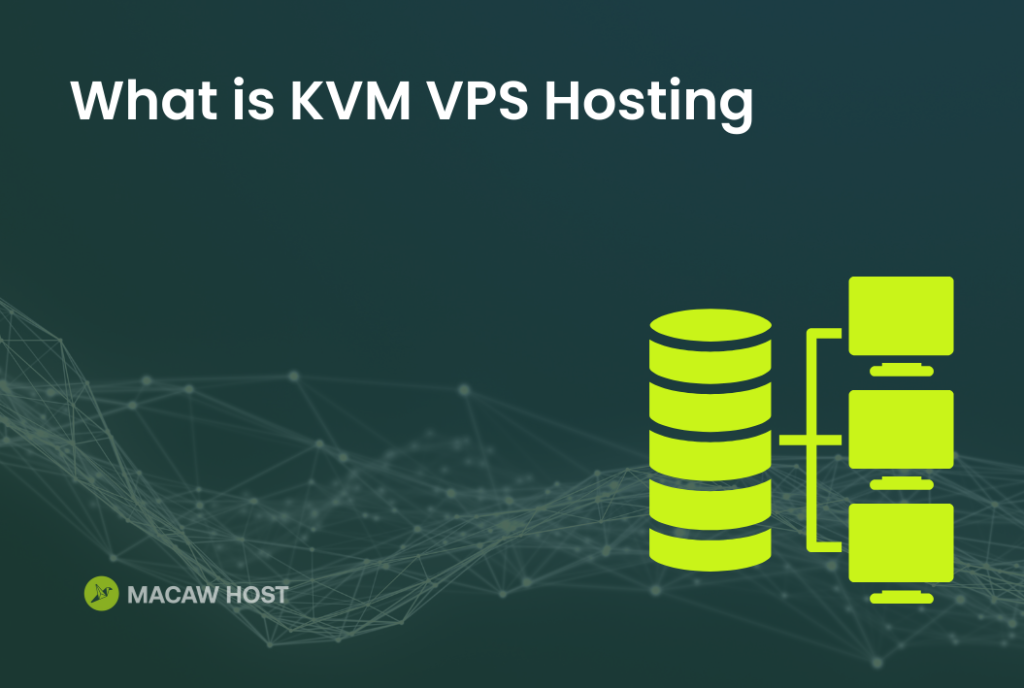
A KVM virtual private server (VPS) uses Kernel-based Virtual Machine (KVM) technology to create an entirely isolated virtual machine on a physical server.
Each VPS runs independently and has its own:
- Allocated CPU resources
- Dedicated RAM
- Virtual disk storage
- Operating system instance
- Root or administrator access
- Network stack and software environment
In simple terms, a KVM VPS acts much more like a standalone server than a shared hosting account or lightweight container environment.
What does KVM stand for?
KVM stands for Kernel-based Virtual Machine. It is a virtualization technology built into the Linux kernel that allows one physical server to host multiple independent virtual machines.
Each virtual machine runs as if it were its own server, with its own resources and operating system. This architecture is one of the main reasons KVM VPS hosting is widely chosen for production workloads.
How KVM VPS Hosting Works
KVM works by turning a physical Linux server into a hypervisor. The hypervisor creates and manages multiple virtual machines, each with assigned resources such as CPU, RAM, storage, and networking.
Every VPS created through KVM can boot its own operating system and operate independently from other virtual machines on the same hardware.
Core components of a KVM VPS
| Component | Function |
| Hypervisor | Creates and manages isolated virtual machines |
| vCPU | Provides allocated processing power |
| RAM | Supplies dedicated memory for the VPS |
| Virtual Disk | Acts as the server’s storage device |
| Guest OS | Runs the chosen operating system inside the VPS |
| Network Interface | Connects the VPS to the internet and other networks |
Because KVM uses full virtualization, each VPS has a private environment with greater isolation and broader compatibility than hosting models that rely on a shared kernel.
KVM VPS vs Shared Hosting, and Dedicated Servers
Choosing the right hosting environment requires understanding where a KVM VPS fits in the broader infrastructure landscape.
KVM VPS vs shared hosting
Shared hosting hosts many websites on a single server with limited control over the environment. It is ideal for small sites with basic needs, but it can become limiting as websites expand. A KVM VPS provides users with a private virtual space to manage software, security settings, and system configurations more directly.
KVM VPS vs dedicated server
A dedicated server assigns an entire physical machine to one customer. A KVM VPS provides a virtualized section of a server with strong isolation and is more affordable.
KVM VPS is often better for:
- Cost efficiency
- Faster deployment
- Easier scalability
- Most small to mid-sized production workloads
Quick comparison table
| Hosting Type | Control | Isolation | Performance Predictability | Best For |
| Shared Hosting | Low | Low | Lower | Small basic websites |
| KVM VPS | High | Strong | Good to very good | Growing websites, apps, agencies |
| Dedicated Server | Very High | Full | Highest | Heavy enterprise workloads |
Key Benefits of a KVM VPS
A KVM VPS is widely used because it delivers a strong balance of control, performance, and scalability.
1. Stronger isolation
Each VPS is isolated at the hypervisor level, which reduces the chance that one tenant’s traffic spike, instability, or misconfiguration will directly impact another environment. For business hosting, this stronger isolation is one of its key benefits.
2. Dedicated resource allocation
A KVM VPS is typically assigned defined amounts of RAM, compute power, and storage based on the selected plan.
This makes it easier to plan for workloads such as:
- Dynamic websites
- APIs
- Web applications
- Databases
- Multi-site hosting environments
3. Full root access
Most KVM VPS plans include root or administrator access, allowing users to:
- Install custom software
- Configure firewalls
- Optimize web servers
- Deploy development tools
- Manage services and processes
- Build a tailored hosting stack
This level of control is essential for developers, system administrators, and technically demanding projects.
4. Operating system flexibility
Because KVM is a full virtualization platform, it supports a wide variety of operating systems and server setups.
This is useful when a project requires:
- A specific Linux distribution
- A custom environment
- Particular software dependencies
- Server-level configuration changes
5. Better performance consistency
While performance still depends on hardware quality and provisioning, KVM generally offers more predictable behavior than less isolated hosting models.
That makes it well-suited for:
- eCommerce stores
- Client websites
- Internal business systems
- SaaS applications
- High-availability web services
6. Scalability for growth
A KVM VPS is simpler to scale than a physical server in many hosting environments. As workloads increase, users can usually upgrade CPU, RAM, or storage more easily. For businesses planning ahead, this makes KVM VPS hosting a practical long-term infrastructure choice.
Common Use Cases for KVM VPS Hosting
A KVM virtual private server is versatile enough for many business and technical workloads.
Business websites and eCommerce stores
Websites with dynamic content, product catalogs, customer sessions, or checkout processes often need more stability and server control than shared hosting can provide.
Application hosting
KVM VPS hosting is commonly used for:
- Web applications
- SaaS dashboards
- APIs
- Internal portals
- CRM or ERP tools
- Staging environments
Multi-site hosting
Agencies, freelancers, and resellers often use VPS hosting to manage multiple websites in a single environment while maintaining greater control over performance and configuration.
Development and testing
Developers use KVM VPS plans for:
- Dev environments
- Version control workflows
- Deployment testing
- CI/CD pipelines
- Containerized workloads
Custom services
KVM VPS environments are also suitable for hosting services that require custom ports, direct process control, or specialized dependencies.
Who Should Choose a KVM VPS?
A KVM VPS is a strong fit for users who have moved beyond basic hosting and need more control over their environment.
KVM VPS is ideal for:
- Growing business websites
- Developers who need root access
- Agencies hosting multiple client sites
- eCommerce stores with increasing traffic
- Teams running custom software stacks
- Projects that need stronger performance isolation
What to Look for When Choosing a KVM VPS Plan
Not every VPS plan offers the same value. Evaluating the technical details is essential.
CPU and RAM
The number of vCPUs and the amount of RAM directly affect the ability to run applications, handle traffic, and support background services.
Storage performance
SSD or NVMe storage can improve:
- Page load times
- Database responsiveness
- Application performance
- File access speed
Network quality
A strong VPS plan should offer reliable connectivity, stable bandwidth, and network performance suitable for your application or website traffic.
Backup options
Regular backups are critical for production workloads. Automated backup systems or snapshot capabilities can reduce downtime and simplify recovery.
Management level
Before choosing a plan, decide whether you need a managed or unmanaged KVM VPS.
Operating system and control panel support
Check that the hosting environment supports the operating system, software stack, and control panel you intend to use.
Security Advantages of KVM VPS Hosting
Security is a major reason many users move to VPS hosting.
Because KVM virtual machines operate in more isolated environments, the baseline security posture is stronger than in loosely shared hosting models. However, infrastructure isolation alone is not enough. Proper server hardening remains essential.
Best security practices for a KVM VPS
- Use SSH keys instead of passwords where possible
- Change default access settings
- Configure a firewall
- Disable unnecessary services
- Apply security updates promptly
- Monitor logs regularly
- Use malware scanning when relevant
- Maintain reliable backups
- Install SSL Certificate on your websites
A KVM VPS gives users the authority to build a more secure environment, but that also means they must manage it properly.
When to Upgrade to a KVM Virtual Private Server
Many users upgrade to a KVM VPS when their hosting environment begins to limit performance, control, or growth.
Why KVM VPS Matters for Speed, Stability, and User Experience
Hosting does not guarantee search rankings by itself, but infrastructure directly impacts website speed, uptime, and application stability.
A properly configured KVM VPS can help support:
- Faster page delivery
- More consistent uptime
- Better performance under load
- Improved application responsiveness
- A stronger experience for users and customers
For websites and platforms that depend on reliability and performance, infrastructure quality can directly affect business outcomes.
FAQ
A KVM virtual private server is a VPS that utilizes Kernel-based Virtual Machine technology to create a fully isolated virtual machine with its own operating system, resources, and root access.
For users who need more control, stronger isolation, custom software support, and more predictable performance, KVM VPS hosting is generally a better option than shared hosting.
Most KVM VPS plans include root or administrator access, which allows users to install software, configure services, and manage system-level settings.
Yes. A KVM VPS is a solid choice for hosting multiple websites because it offers better resource management, greater isolation, and more server customization than entry-level hosting plans.
Conclusion
A KVM virtual private server is an excellent hosting option for those who need more power than shared hosting but aren’t ready for a dedicated server. It provides enhanced isolation, dedicated virtual resources, full root access, and the flexibility to run custom workloads confidently.
Whether you’re a business owner, developer, agency, or managing a high-growth website, KVM VPS hosting offers a scalable foundation that delivers excellent performance, control, and long-term growth potential. When combined with appropriate resources and management, it’s not just an upgrade in hosting — it’s a smart investment in your infrastructure.e.